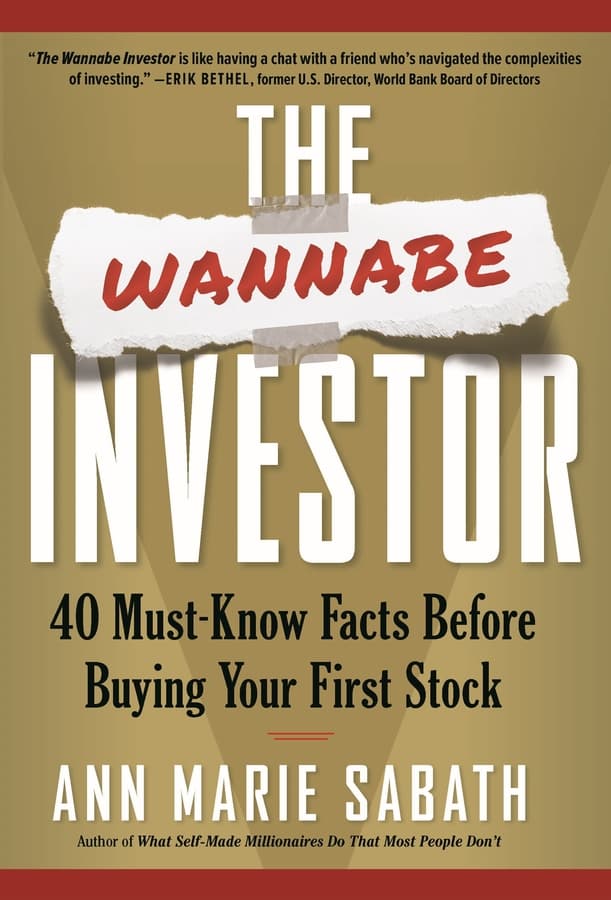
For many Americans, investing remains a daunting and inaccessible realm, perpetuating a cycle of financial illiteracy that hinders their ability to build long-term wealth. Ann Marie Sabath's new book 'The Wannabe Investor: 40 Must-Know Facts Before Buying Your First Stock' aims to change that narrative by providing a comprehensive yet approachable guide for aspiring investors. Sabath draws from her own transformative journey, having spent a decade under the tutelage of a seasoned stock market guru who helped her amass a substantial nest egg. Through her book, she shares the invaluable lessons she learned, empowering readers to overcome common excuses and take their first steps into the world of investing.
With a refreshingly down-to-earth writing style, Sabath demystifies intricate concepts, making them accessible to even the most novice investors. From identifying risk tolerance to understanding the power of compounding, the book covers essential topics that lay the foundation for successful investing. Notably, it introduces the 'one-hour-a-year investment strategy,' a practical approach for those seeking a low-maintenance yet effective way to grow their wealth. This method addresses the common barrier of time commitment that prevents many from engaging with the stock market.
Advanced praise for 'The Wannabe Investor' has been resounding, with Kirkus Reviews describing it as 'a cogent, warmly written guide to beginning investing.' Erik Bethel, former U.S. director of the World Bank Board of Directors, likens the book to 'having a chat with a friend who's navigated the complexities of investing.' Jay Newman, author of 'Undermoney,' endorses the book's emphasis on grasping the basics before investing in the market, a sentiment echoed by his experience as a former hedge fund portfolio manager. These endorsements highlight the book's credibility and practical value for beginners.
Released to coincide with Financial Literacy Month, 'The Wannabe Investor' aims to empower individuals to take control of their financial futures by demystifying the stock market. The book's timing underscores the growing recognition of financial education as a critical component of economic stability. With its practical insights and accessible approach, the book promises to be a valuable resource for anyone seeking to build wealth through informed investing. By addressing the psychological and educational barriers that keep people from investing, Sabath's work could help bridge the wealth gap and promote greater financial inclusion.
The implications of this book extend beyond individual readers to broader economic health. As more people gain confidence and knowledge to invest, it could lead to increased market participation and long-term wealth accumulation across diverse demographics. The book's focus on foundational concepts rather than complex strategies makes it particularly relevant in an era where misinformation about investing is rampant on social media and other platforms. By providing a reliable, beginner-friendly resource, 'The Wannabe Investor' contributes to the ongoing effort to improve financial literacy in the United States and beyond.