
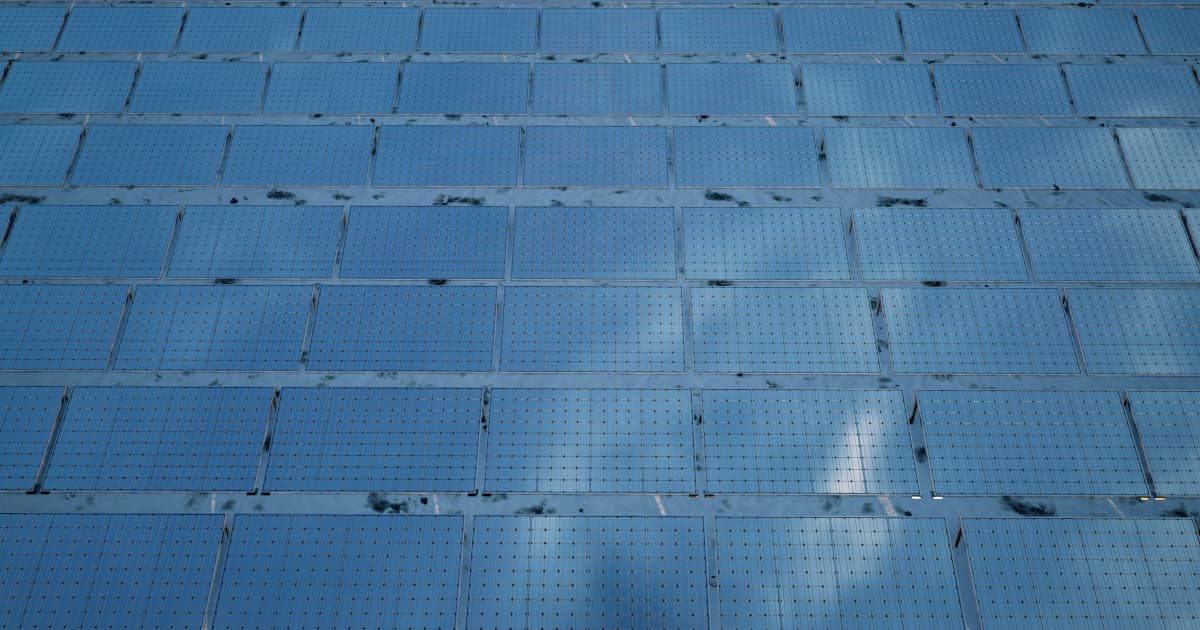
SolarBank Corporation is advancing its presence in the renewable energy sector with the Forest Hill Rd solar installation in upstate New York, a 4.584 megawatt DC community solar facility designed to power approximately 540 homes. This project provides both environmental benefits and cost savings to local residents, highlighting SolarBank's strategic expansion in the U.S. renewable energy market at a time when the industry contends with rising supply chain costs influenced by global trade policy shifts. The development underscores the company's focus on distributed and community solar projects across North America, which include solar, battery energy storage systems, and EV charging initiatives serving utilities, commercial entities, and residential customers.
The Forest Hill Rd project is a significant addition to SolarBank's development pipeline, which now exceeds one gigawatt and includes multiple solar projects in upstate New York, reinforcing the company's commitment to sustainable energy solutions in the region. With a potential development pipeline of over one gigawatt and a history of projects totaling more than 100 megawatts, SolarBank is establishing itself as a key player in renewable energy. The company's strategy involves maximizing returns through a diversified project portfolio across leading North American markets, as detailed in its corporate approach at https://www.solarbankcorp.com. This approach demonstrates SolarBank's strategic planning and execution capabilities, positioning it to contribute meaningfully to the transition toward cleaner energy sources.
As the renewable energy sector evolves, projects like Forest Hill Rd are critical in meeting the growing demand for sustainable and cost-effective energy solutions. SolarBank's ability to manage challenges from global supply chain disruptions while expanding its project pipeline reflects its resilience and dedication to advancing renewable energy initiatives. This development marks a notable step in SolarBank's mission to foster a greener future, offering a model for how renewable energy projects can benefit communities and the environment. The project's impact on the local grid's renewable energy capacity is further explored in industry analyses at https://www.energy.gov/solar, illustrating broader trends in community solar adoption.

